About
I'm Basit. I design products that move money for millions of people. But if you asked my family back in a small village in Pakistan, they'd say I'm the one who left and ended up staring at screens all day.
They're not entirely wrong.
I grew up in a village in rural Pakistan. My family had a small piece of agricultural land — pomegranate trees, guava, shah toot berries. We grew wheat and fruit, just enough for ourselves.
The biggest adventure for me and my brothers was when our father would take us through the KFC drive-thru. Not for a meal — for a vanilla ice cream cone. The cheapest thing on the menu.
We thought we had everything.
My father worked to put all of us through university. Everything I have started with that.
I studied computer science, graduated, and started working as a software engineer. But something kept bothering me — nobody could explain why we were building any of it.
" Why are we building this?
That question pulled me into design. Not the pixels. Not the tools. The why.
Eight years later, that same question has followed me from SadaPay to ADIB to ZAR — into arguments with central banks and product debates with CEOs — that turned into products used by millions. Most recently, I built an AI-native design system where engineers now prototype without designers, using tools I created.
Some of those chapters ended on my terms. Some didn't. All of them taught me something.
Intuitive. If someone has to think about how to use it, I failed. The interface should feel inevitable — like it couldn't have been any other way.
Simple. One screen, one job. No ambiguity. No clever tricks that need explaining.
Distinct. If it looks like everyone else's product, it will be treated like everyone else's product.
Understand first. I don't open a tool until I understand the problem. I don't accept a constraint until I've read the source.
Users first. Serve the user well and the business follows.
Hire hunger. Passion, curiosity, drive. Taste comes with time. Those three don't.
MLP, not MVP. Someone already solves this problem — you have to solve it better.
When someone on my team is struggling, I don't start with feedback. I cover for them — quietly — so the product and the team don't suffer while we figure it out.
Then I have the real conversation. Not in a meeting room. Over chai, casually. "What's actually going on?" There's always a reason. Nobody loses their talent overnight.
I give people time. A month, sometimes two. And if it still doesn't work, I make the call. I've let people go. Empathy and hard decisions are not opposites — one just makes the other more honest.
If something doesn't make sense for the user, I challenge it — regardless of who proposed it.
Most of the designers I hired at SadaPay came straight from university with messy portfolios and no experience. I saw something in them.
Some of them are now senior designers at Revolut. That's the work I'm most proud of — not the products, the people.
Beyond the screen
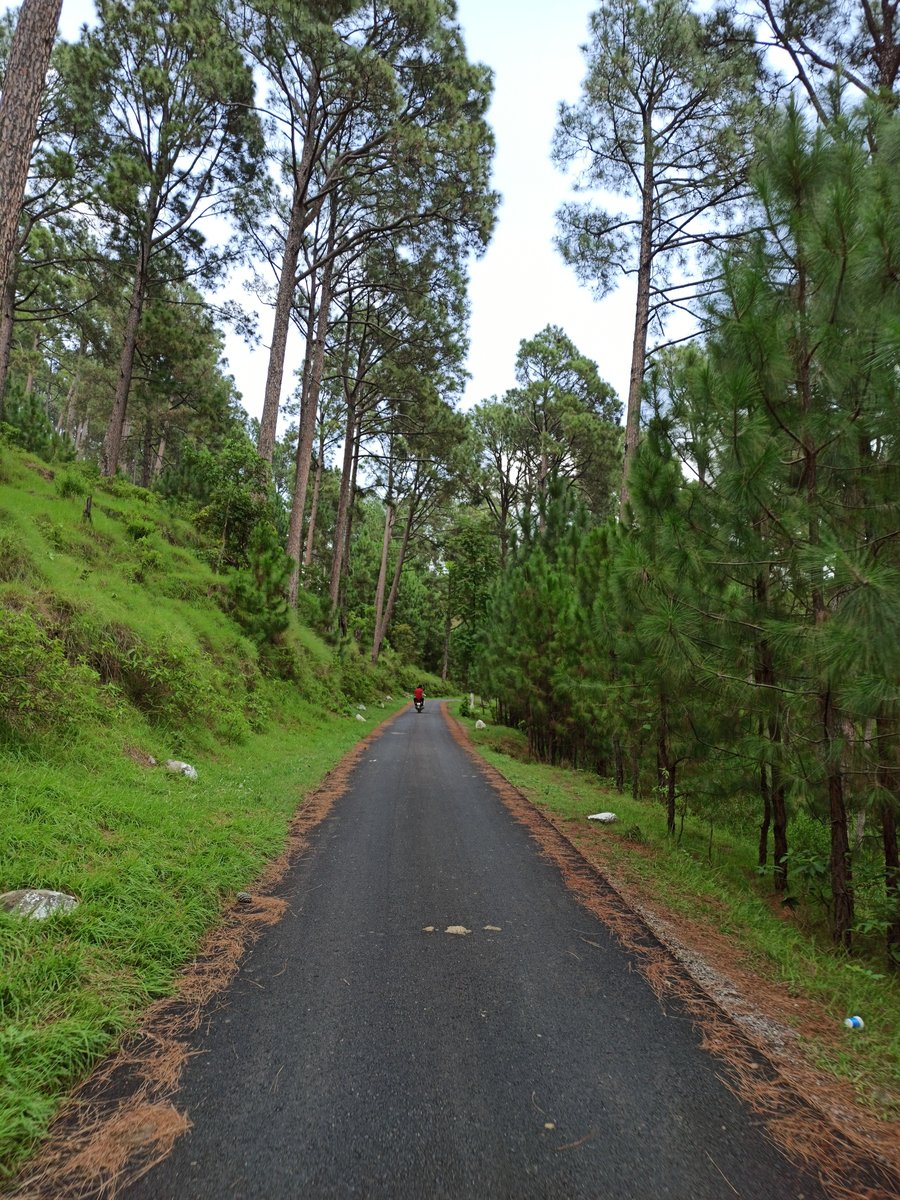
I grew up on agricultural land in rural Pakistan. That closeness to nature never left — it just turned into an obsession with finding places most people never visit.
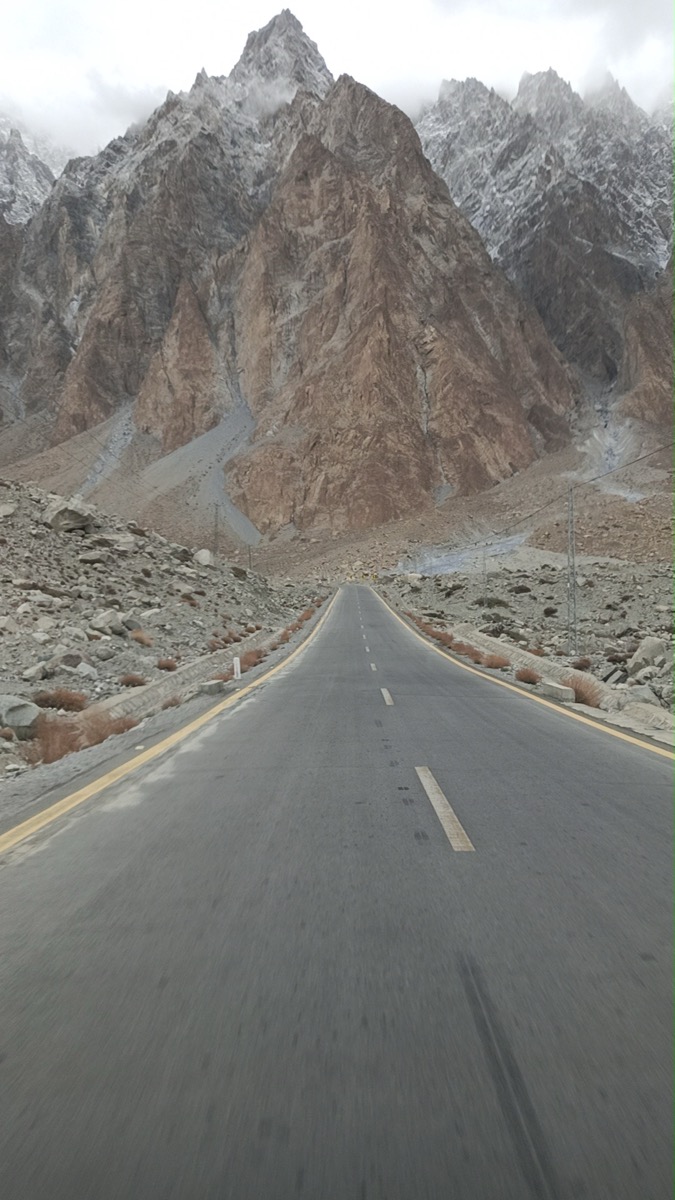
In university I didn't have the money to travel, but I knew Pakistan held a gem of places I needed to see. So I did my research — found places that are hard to reach, where you take a bus, then switch to a 4x4 jeep, then hike or camp. Places between snow-capped peaks with cold deserts and waterfalls that don't look real. I had zero experience. I planned everything from scratch.
I started a small adventure club called Travelogue. I'd plan the whole trip, post an ad, calculate per-head budgets, book the coaster. Everyone paid their share. I went for free. But I had to earn that — so I offered two things no agency did: free photography for every trip, and my own chef who cooked homemade food on the road. That chef now owns a fast food chain in Islamabad.
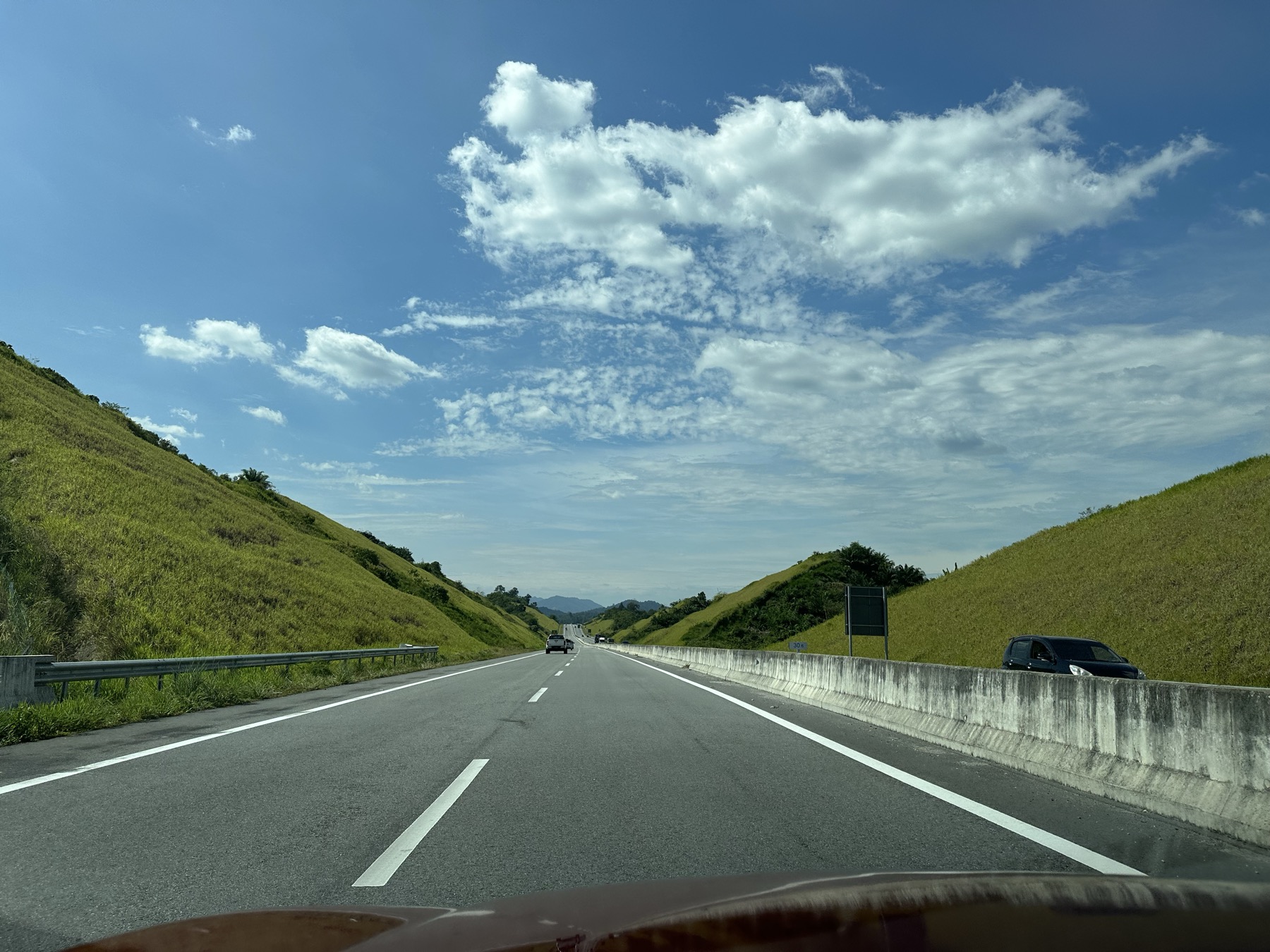
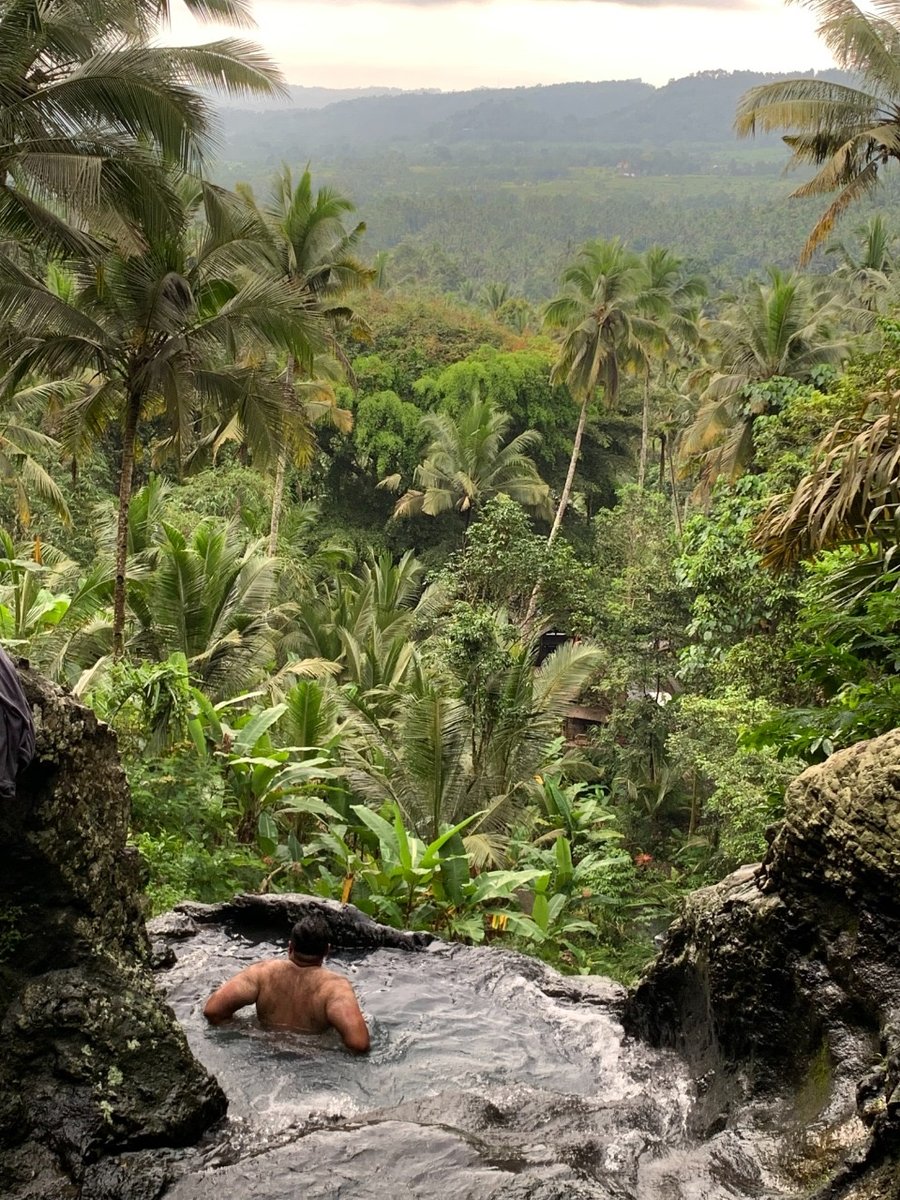
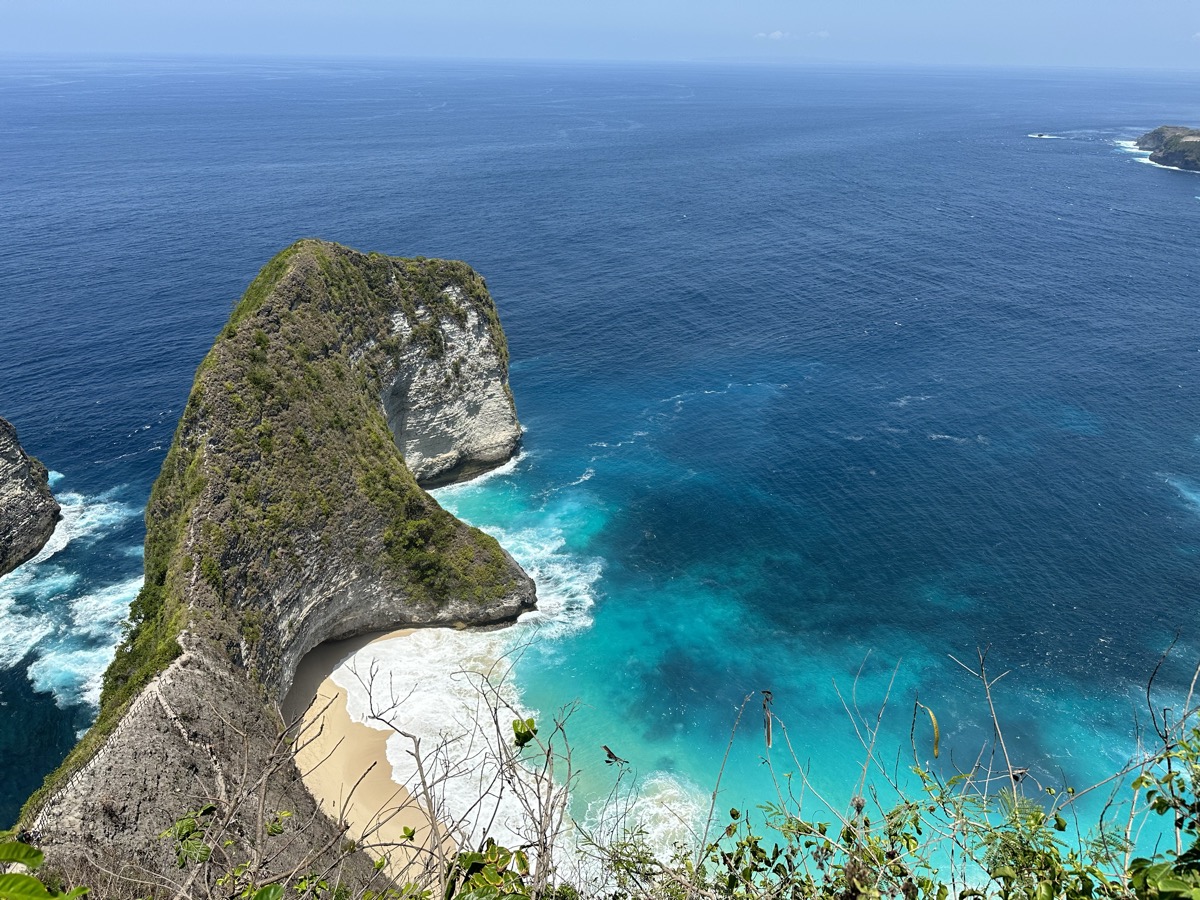
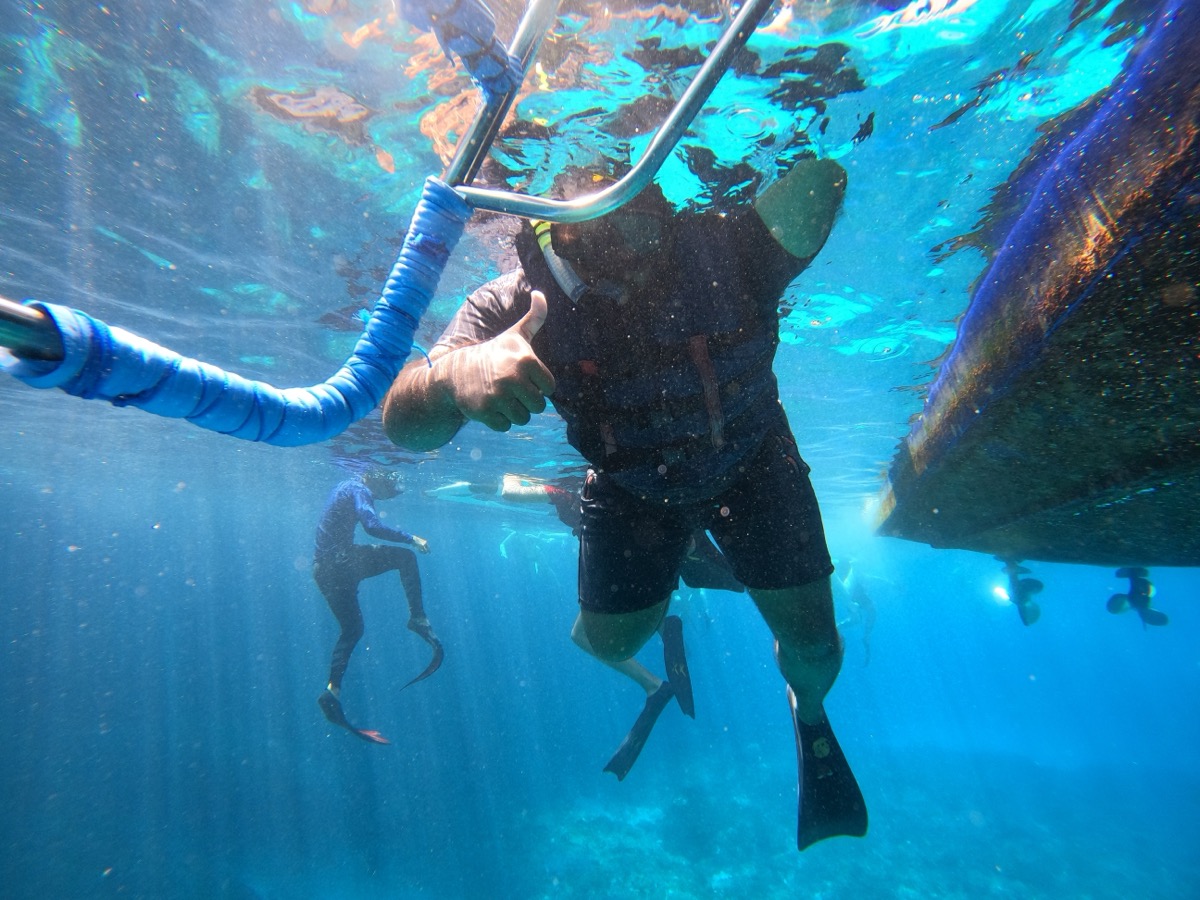
That curiosity never stopped. I lived in Malaysia for a year as a digital nomad, working remotely from SadaPay. Six months in Bali. Jakarta, Gili Islands, Singapore, Saudi Arabia, UAE — always the places fewer people visit, always on foot.
I can't do work I'm not passionate about. Not won't — can't. I lose all energy for it. My career shows it. Every role has been a deliberate choice.
The orange trees back home are still there. Someday I want to bring what I've learned back to that land — technology and agriculture, together.
Still asking why.